What Is the Safest Fence for Horses That Like to Lean, Rub or Push Against Fencing?
If you own horses, you've probably seen it happen. A horse finds the perfect spot along the fence, leans its entire weight against it, starts scratching, or stretches over the top rail to reach one tempting patch of grass.
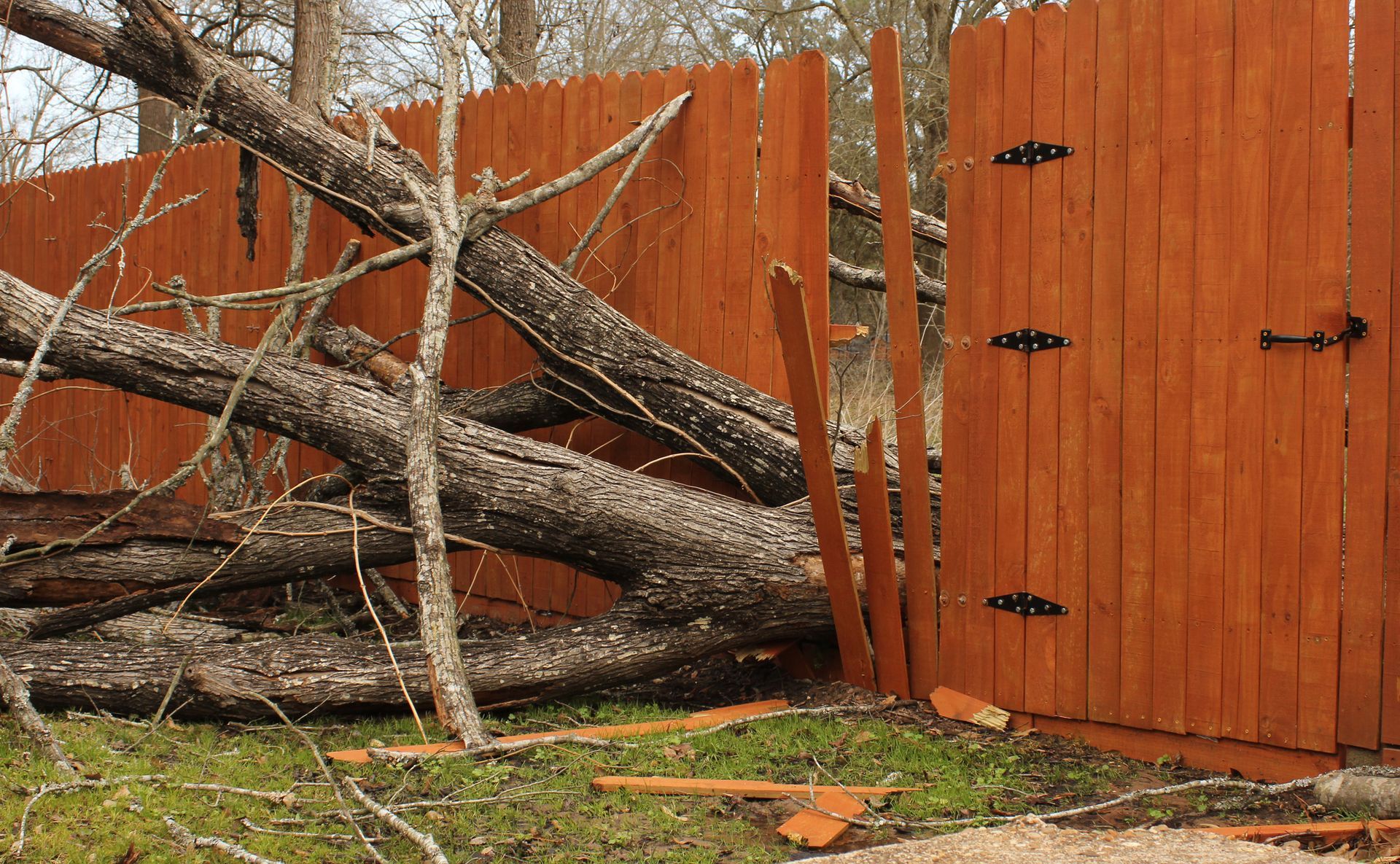
For a horse owner, this behavior can quickly become more than an annoyance. Repeated leaning, rubbing, and pushing can loosen posts, bend or break rails, stretch wire, and eventually create a weak point where a horse could get hurt or escape.
The safest horse fence isn't simply the strongest fence you can build. It should be highly visible, free of sharp edges and dangerous openings, sturdy enough to contain a horse, and designed to reduce the temptation to lean or rub against it. Horse fencing should also have some ability to absorb impact rather than creating an unforgiving barrier.
Here's what Middle Tennessee horse and property owners should consider when fencing horses that tend to test their boundaries.
Why Do Horses Lean and Rub Against Fences?
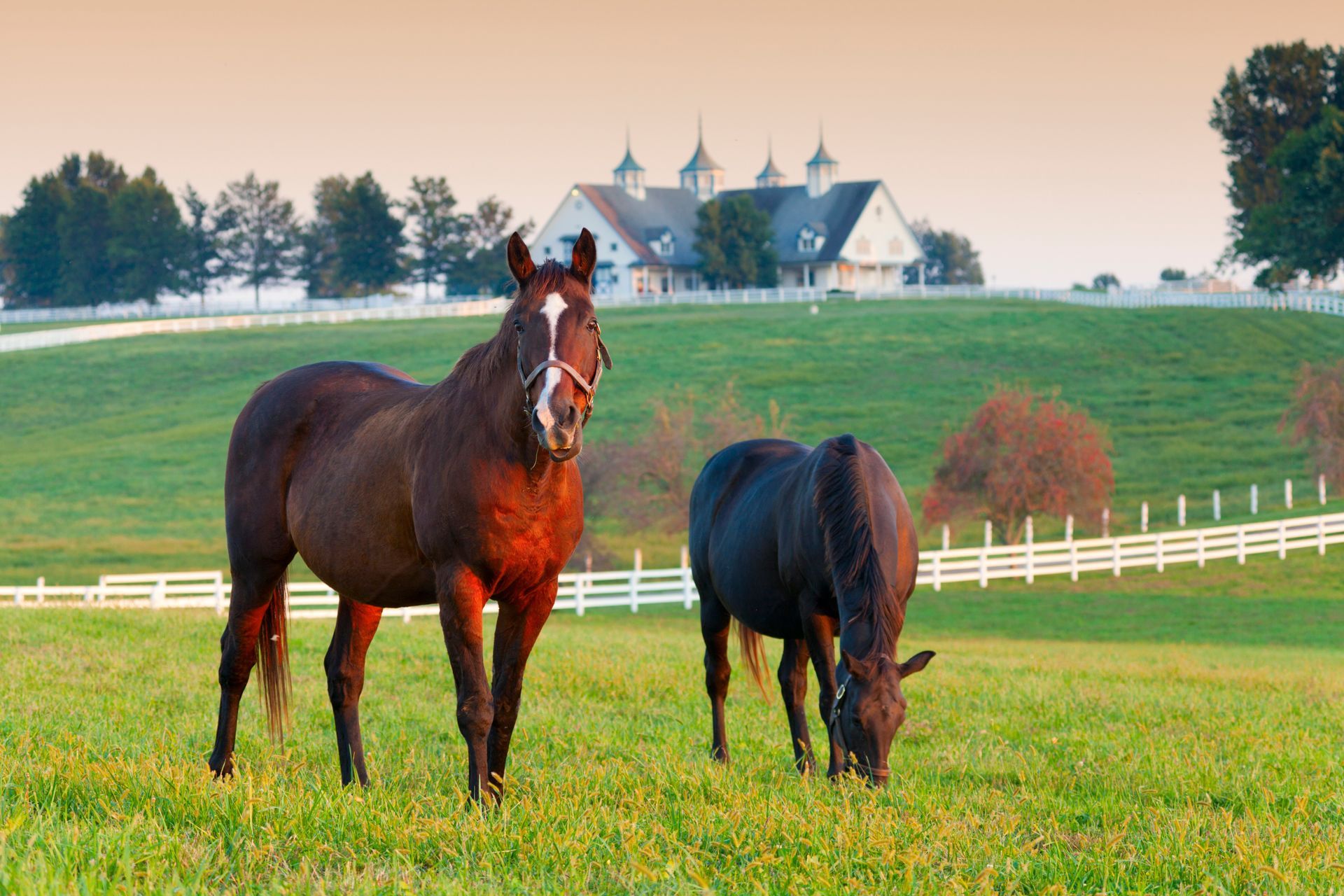
Horses may interact with fencing for several reasons.
They might be:
- Scratching an itch
- Reaching for grass on the other side
- Socializing with another horse
- Testing a fence
- Putting pressure against a rail while grazing
- Rubbing their neck, shoulders, or hindquarters
- Simply using a convenient fence post as a scratching surface
The occasional rub may not seem like a big deal, but a horse can put a significant amount of weight and force against a fence.
When that happens repeatedly, even a well-built fence can begin to weaken.
What Makes a Fence Safe for Horses?
Horse fencing has different requirements than a basic property or livestock fence.
According to equine fencing guidance from Penn State Extension and the University of Minnesota, a good horse fence should be highly visible, strong enough to contain a horse, free from sharp edges or projections, and designed without openings that could trap a hoof or head.
Visibility is particularly important. Horses can move quickly when startled, so they need to be able to recognize the fence as a physical boundary.
For horses that regularly lean or push, strength and installation become even more important. Posts, rails, fasteners, and gates all need to work together as a complete system.
Is Board Fencing Good for Horses That Lean?
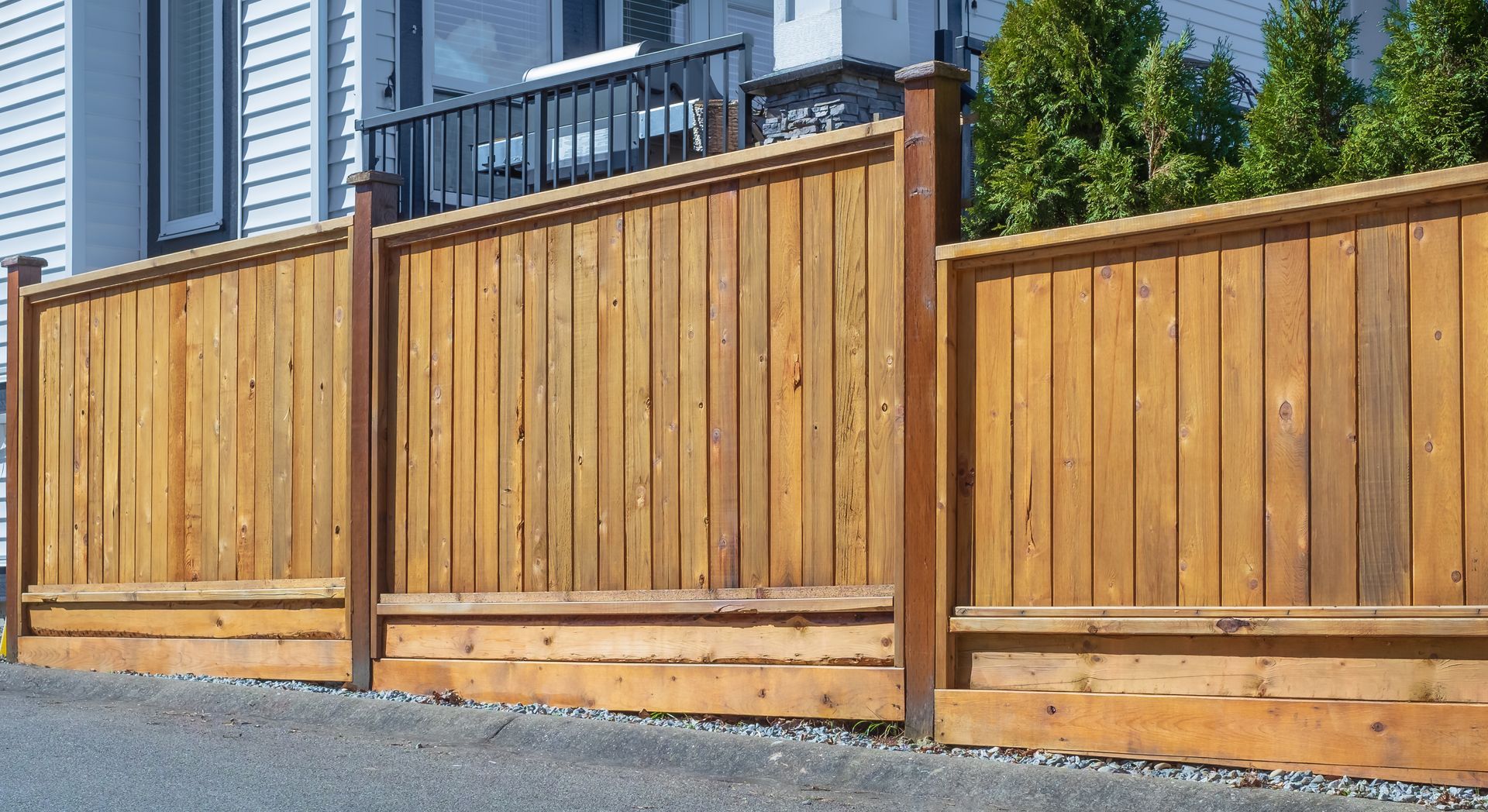
Traditional board or rail fencing is one of the most recognizable choices for horse properties.
One major advantage is visibility. Horses can clearly see the physical boundary, and rail fencing generally doesn't have the same hoof-entrapment concerns associated with some larger-opening wire fences. University of Georgia Extension describes rail or plank fencing as highly visible and relatively safe for horses.
However, horses that constantly lean, rub, or reach over the fence can put considerable stress on the boards and posts.
Wood can also require ongoing maintenance. Damaged or broken boards should be addressed promptly so they don't create sharp or weakened areas.
For a horse that frequently tests its fencing, the construction of the fence can be just as important as the material itself.
What About Horse-Safe Mesh Fencing?
Properly designed mesh fencing can also be a strong option for horse properties.
The key is opening size.
Horse-safe mesh is designed with openings small enough to reduce the risk of a hoof becoming trapped.
University of Georgia Extension identifies appropriately designed mesh wire as one of the safer horse fencing options because of its strength, durability, and smaller openings.
Adding a visible top rail can make mesh fencing easier for horses to see while also helping protect the top of the mesh from horses stretching and pushing against it.
For farms that need to fence larger areas, this combination can provide a balance of visibility, containment, and durability.
Should You Add Electric Wire to a Horse Fence?
For a horse that constantly leans, rubs, pushes, or reaches over fencing, an offset electric strand can be an effective deterrent when properly designed and installed.
Penn State Extension recommends that a single electric strand can be placed above or just inside the top rail to discourage horses that habitually lean, scratch, or reach over fencing. University of Georgia Extension similarly notes that an offset electric wire is an effective way to discourage leaning and rubbing.
The goal isn't for the electric strand to serve as the primary physical fence. Instead, it helps teach the horse to maintain some distance from the main fence.
This can reduce pressure on:
- Fence boards
- Mesh
- Posts
- Fasteners
- Gates
- Corners
It can also discourage horses from stretching their necks over the top of the fence to reach grass.
Electric fencing should always be designed and installed with horse safety in mind.
Fence Height Matters Too
A horse fence needs to discourage more than leaning. It also needs to discourage horses from reaching, jumping, or interacting with horses on the opposite side.
University of Georgia Extension recommends a minimum perimeter fence height of about 5 feet for horses. For paddocks, corrals, and similar areas, the appropriate height can depend on the size of the horses and how the enclosure is being used.
A taller fence can also make it more difficult for a horse to lean its chest over the top rail.
If you have particularly large or athletic horses, fence height should be considered during the planning process rather than relying on a standard livestock fence design.
Avoid Fencing With Dangerous Openings or Sharp Edges
Strength alone doesn't make a fence horse-safe.
A horse may kick, paw, lean, rub, or unexpectedly run into a fence. Any exposed nails, sharp wire ends, broken boards, protruding hardware, or openings capable of trapping a hoof or head can create an injury risk.
Barbed wire is particularly problematic for horses and is specifically discouraged in equine fencing guidance because of the potential for serious injuries.
The horse-facing side of the fence should be as smooth and obstruction-free as possible.
Penn State Extension also recommends fastening rails and mesh on the horse side of the posts. This helps create a smoother interior surface and means a horse pushing against the fence isn't simply pushing the fencing material away from its fasteners.
Don't Forget About Gates and Corners
Your fence is only as secure as its weakest point.
Gates should be sturdy, properly sized, and equipped with secure latches. Fence lines should also avoid unnecessary sharp or narrow corners where horses could become crowded or trapped.
High-pressure areas deserve extra attention, including:
- Feeding areas
- Gates
- Barn entrances
- Small paddocks
- Areas where neighboring horses interact
- Sections next to desirable grass
- Frequently used pathways
If your horses consistently gather in one area, that section of fencing may need a different design or additional reinforcement.
So, What Is the Safest Fence for a Horse That Pushes Against It?
There isn't one fence material that's automatically safest for every horse or property.
For horses that frequently lean, rub, or push, a strong option is often a highly visible board or horse-safe mesh fence paired with a properly installed offset electric strand to discourage direct contact. Both Penn State and University of Georgia equine fencing guidance specifically recommend electric offsets as a way to discourage habitual leaning, scratching, reaching, and rubbing.
The right setup will ultimately depend on your horses, acreage, pasture layout, budget, maintenance expectations, and how much pressure your horses put on the fence.
Professional Horse Fence Installation in Middle Tennessee
A fence on a horse property has an important job to do. It needs to define your pastures while helping protect animals that can weigh more than 1,000 pounds and aren't always gentle with their surroundings.
SafeGuard Fence & Deck installs horse, farm, board, field, wire, perimeter, and large-acreage fencing throughout Nashville and Middle Tennessee. Their farm fencing services are available for properties in areas including Nashville, Murfreesboro, Franklin, Columbia, and surrounding rural communities.
If you have horses that lean, rub, reach, or push against their current fence, SafeGuard can help you plan a fencing system around the needs of your animals and property.
Contact SafeGuard Fence & Deck to schedule a free estimate for horse or farm fence installation in Middle Tennessee.