Signs Your Fence Needs Replacement, Not Repair
A damaged fence does not always need to be replaced, but in some cases, repairs are only a temporary fix. Knowing when it is time to replace your fence instead of repairing it can save you money, improve safety, and enhance your property’s appearance.
Below are the most common signs that replacement is the smarter long term solution.
Widespread Rot or Rust
If your fence has rot in multiple sections or rust throughout the structure, repairs may no longer be effective. Rot weakens wood fencing from the inside out, while rust compromises the strength of metal fences.
When damage is widespread rather than isolated, replacing the fence is often more cost effective than patching individual areas.
Leaning or Sagging Fence Lines
A fence that leans, sags, or shifts out of alignment usually points to failing posts. Fence posts are the foundation of the entire structure. Once they begin to fail, repairs to panels or rails will not solve the underlying issue.
If multiple posts are unstable, replacement is typically the safest option.
Frequent Repairs Are Adding Up
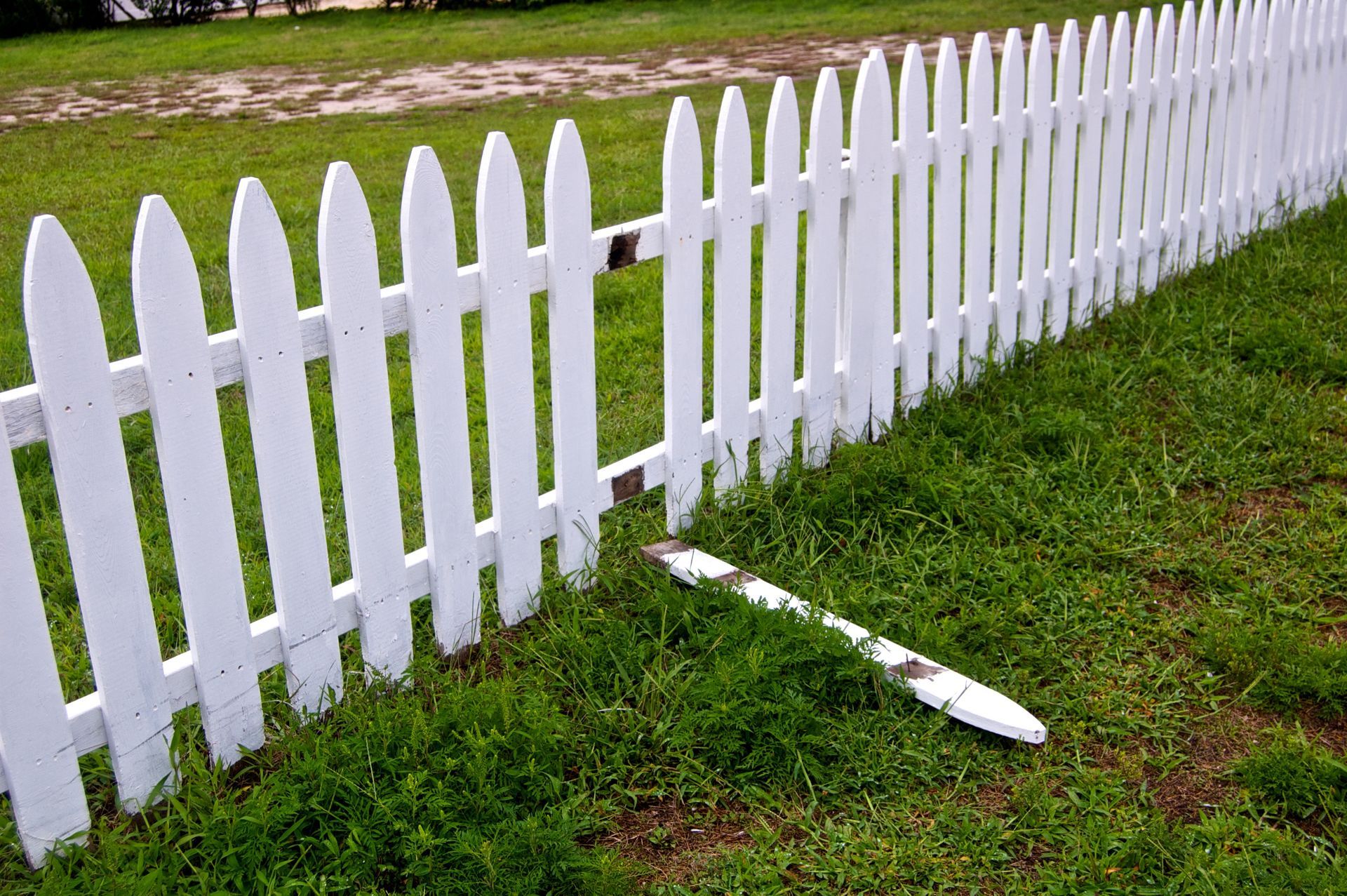
If you find yourself repairing the same fence over and over, the costs can quickly add up. Loose boards, broken pickets, and recurring gate issues often signal that the fence has reached the end of its lifespan.
Replacing the fence can be more economical than continuing to invest in short term fixes.
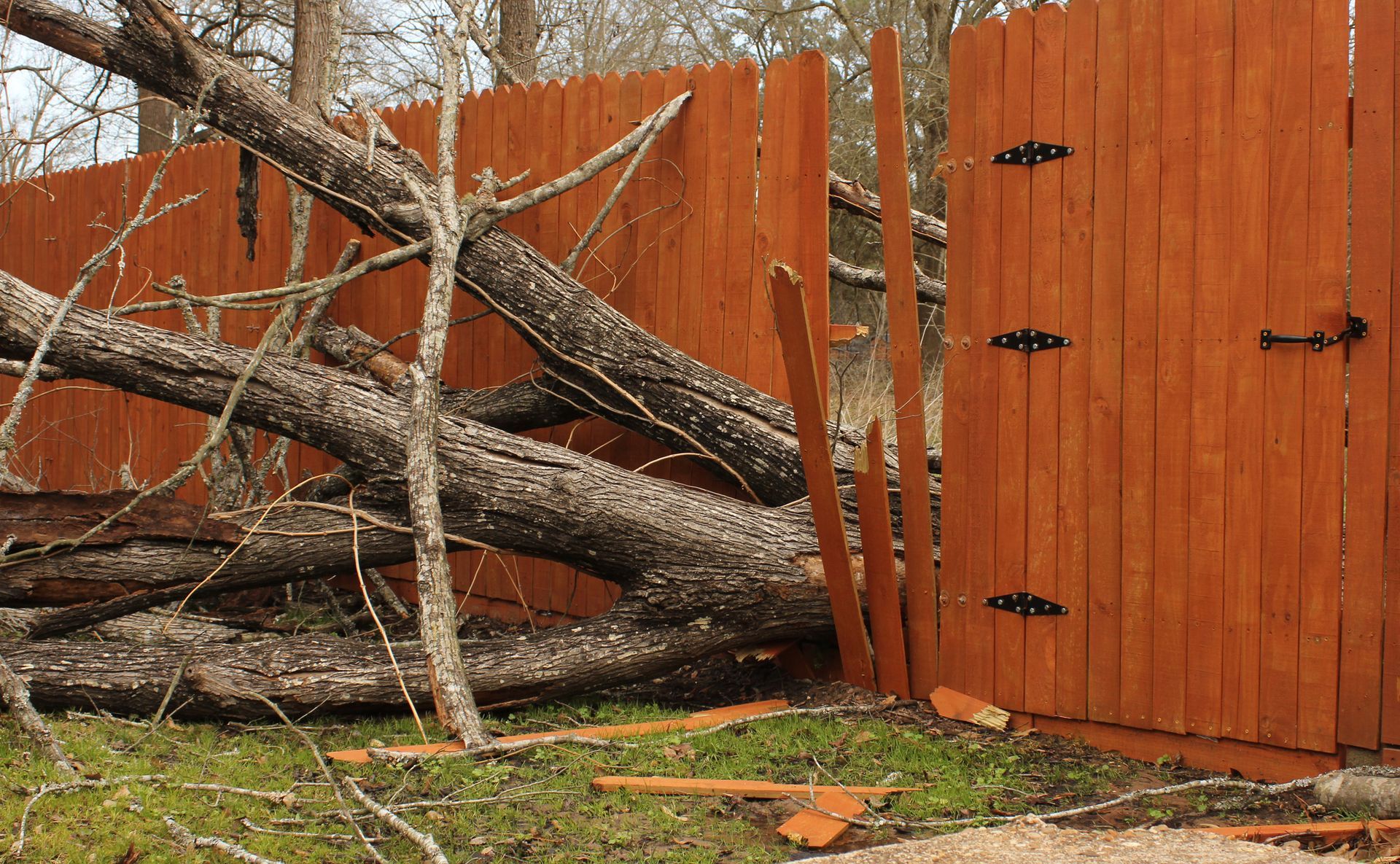
Severe Storm or Impact Damage
Storms, fallen trees, or vehicle impacts can cause structural damage that compromises the integrity of the fence. When damage affects large sections or the overall framework, replacement is usually the best choice.
A fence that has lost its structural strength may no longer provide proper security or privacy.
Fence Is No Longer Secure
If your fence no longer provides adequate security for children, pets, or property, replacement should be considered. Gaps, broken sections, and weakened materials reduce the fence’s ability to do its job.
Safety concerns should never be ignored.
Outdated Style or Poor Curb Appeal
Even if a fence is still standing, an outdated or worn appearance can detract from your property’s curb appeal. Fading, splintering, or mismatched repairs can make a fence look tired and neglected.
A new fence can instantly improve the look of your home while increasing property value.
Materials Are Past Their Expected Lifespan
Every fence material has a typical lifespan:
- Wood fences often last 10 to 15 years with proper maintenance
- Chain link fences can last 15 to 20 years
- Vinyl and aluminum fences can last even longer
If your fence is nearing or past its expected lifespan, replacement is often more practical than continued repairs.
Difficulty Opening or Closing Gates
Gates that no longer align, drag on the ground, or refuse to latch properly may indicate structural failure. While minor gate issues can be repaired, recurring problems often point to larger alignment or post issues.
Final Thoughts
While small fence repairs can extend the life of your fence, there comes a point when replacement is the better investment. Structural damage, repeated repairs, and safety concerns are clear signs it is time to start fresh.
If you are unsure whether your fence needs repair or replacement, a professional evaluation can help you make the right decision. Safeguard Fence provides expert guidance and quality fencing solutions to protect and enhance your property.