Winter Ready Fencing: Protecting Your Fence Against Cold, Ice, and Snow Damage
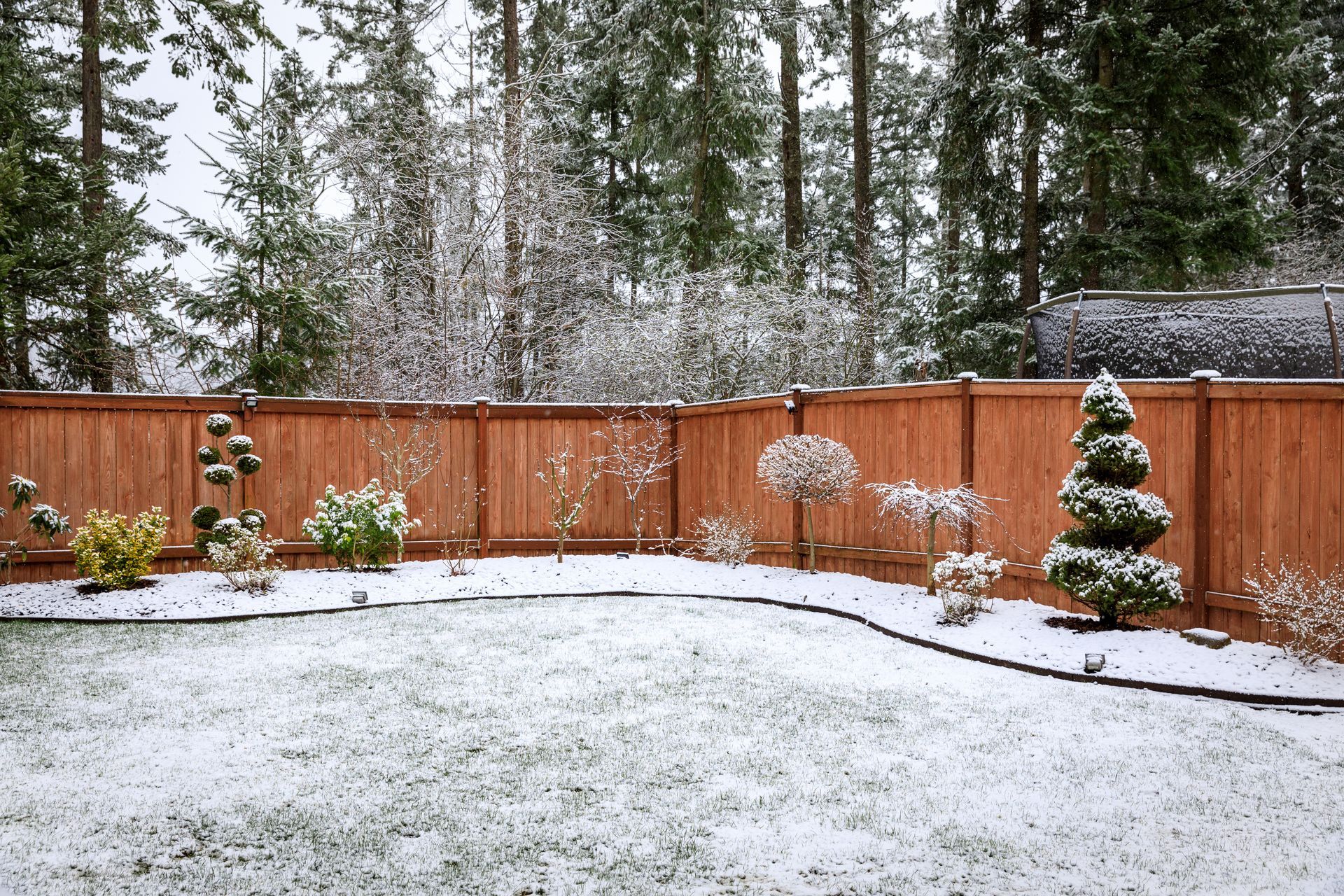
Winter brings freezing temperatures, ice buildup, snow, and moisture that can take a toll on your fence. Whether you have wood, vinyl, chain link, or aluminum, every type of fencing is vulnerable to some level of cold weather damage. Preparing your fence for winter helps prevent warping, cracking, rust, and structural issues that could become expensive repairs once warmer weather returns.
Here’s how to protect your fence during winter and keep it strong all season lon
Inspect Your Fence Before Cold Weather Hits
A quick inspection before winter arrives can prevent small problems from turning into major damage.
Look for:
- Loose or leaning posts
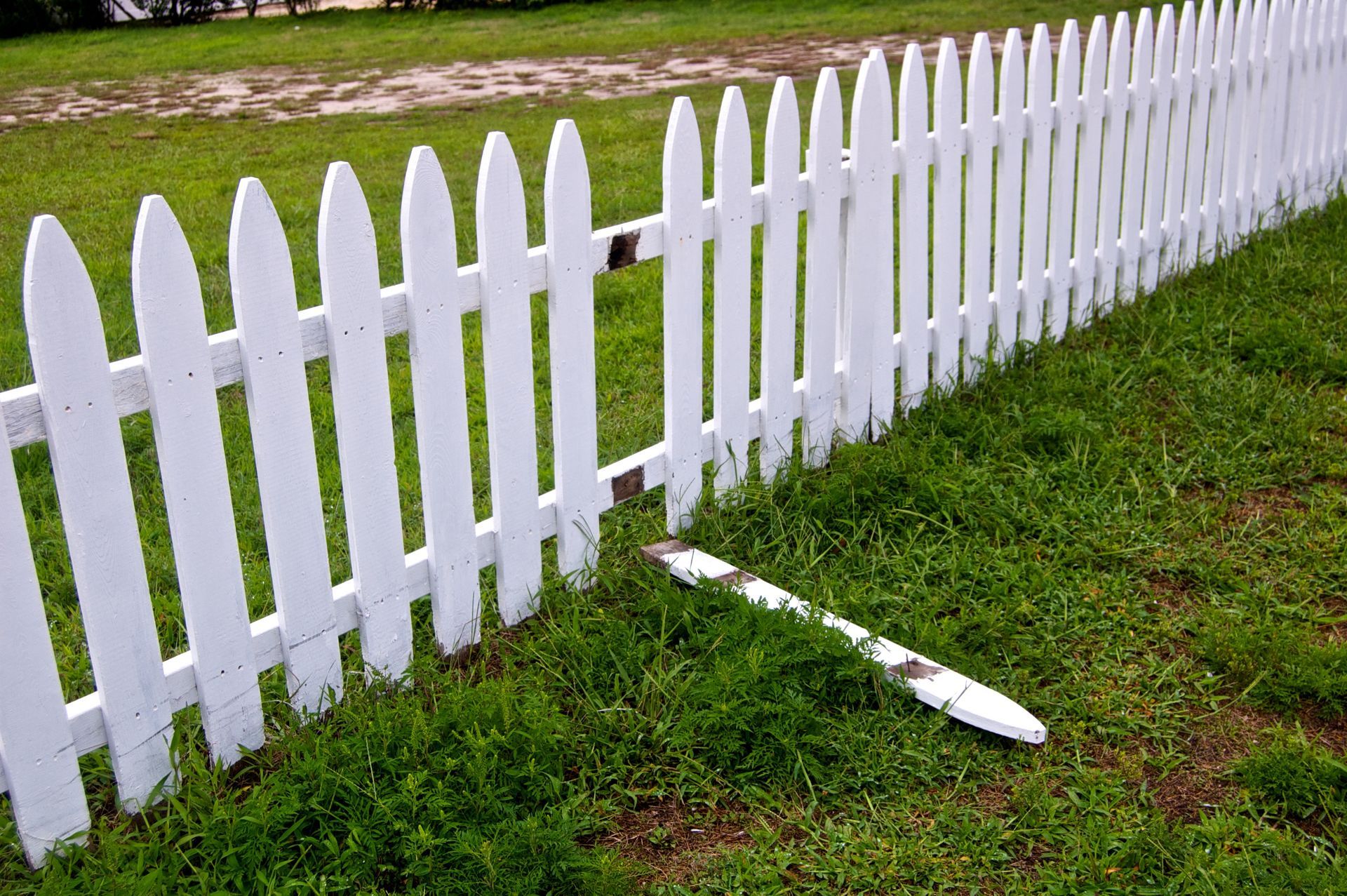
- Cracked or splintered boards
- Rust on metal sections
- Gaps, loose fasteners or broken connectors
- Areas where moisture collects or drains poorly
Fixing these issues early reduces the risk of winter damage.
Trim Nearby Trees and Branches
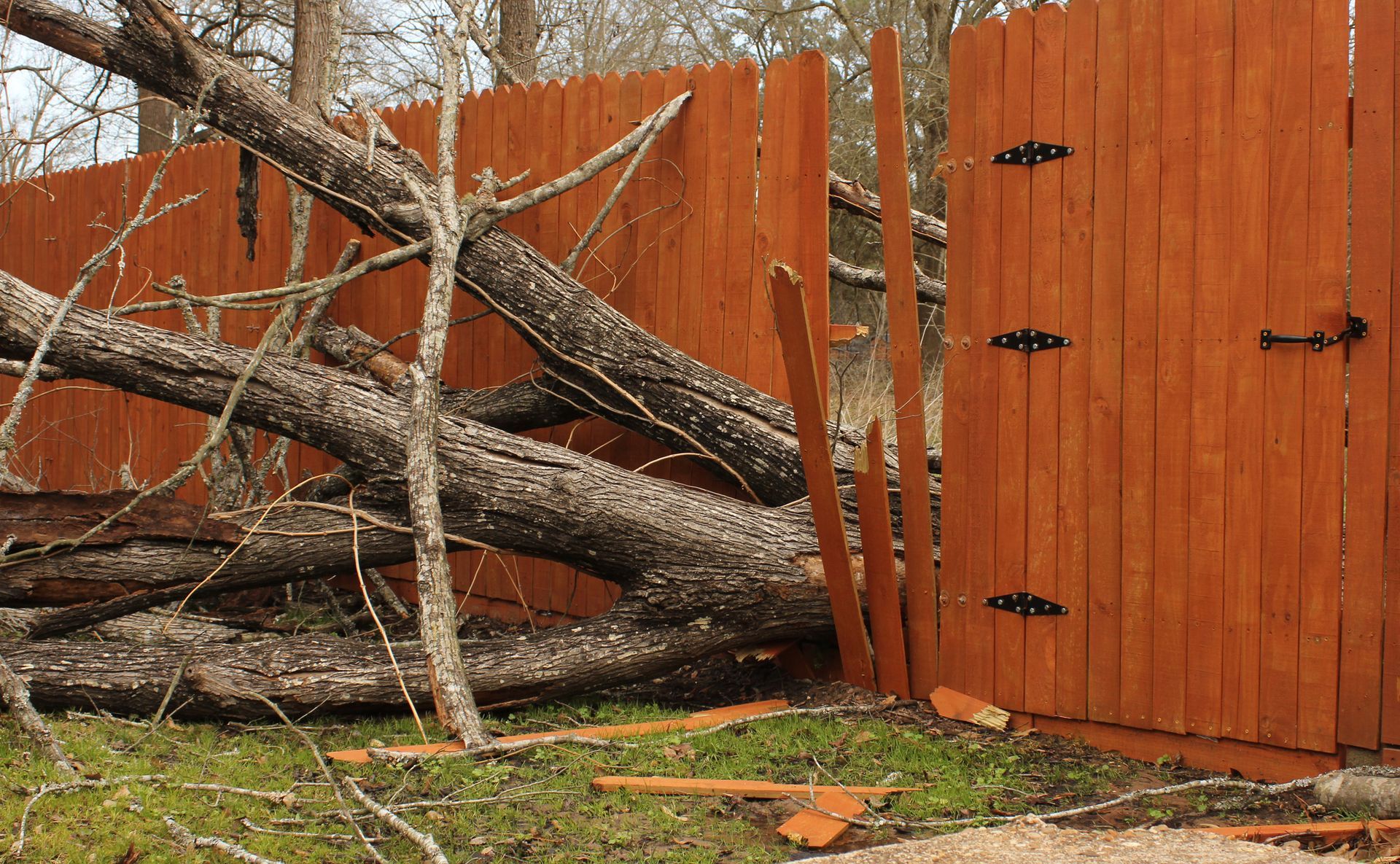
Heavy snow and ice can cause overhanging branches to bend or break. If branches are close to your fence, they may fall and damage panels or posts.
Trimming trees before winter:
- Prevents breakage
- Reduces weight on the fence
- Helps keep debris from building up against it
This is especially important for wood fences, which can crack under sudden pressure.
Prevent Moisture Buildup Around the Fence Line
Keeping the area around your fence clear helps reduce winter wear.
Make sure to:
- Remove leaves, mulch, or debris piled against the fence
- Clear wet spots or pooling water
- Keep snow from sitting directly at the base of fence posts
Moisture left sitting at the base of a fence can lead to rot in wood and rust in metal.
Protect Wood Fences With Sealant
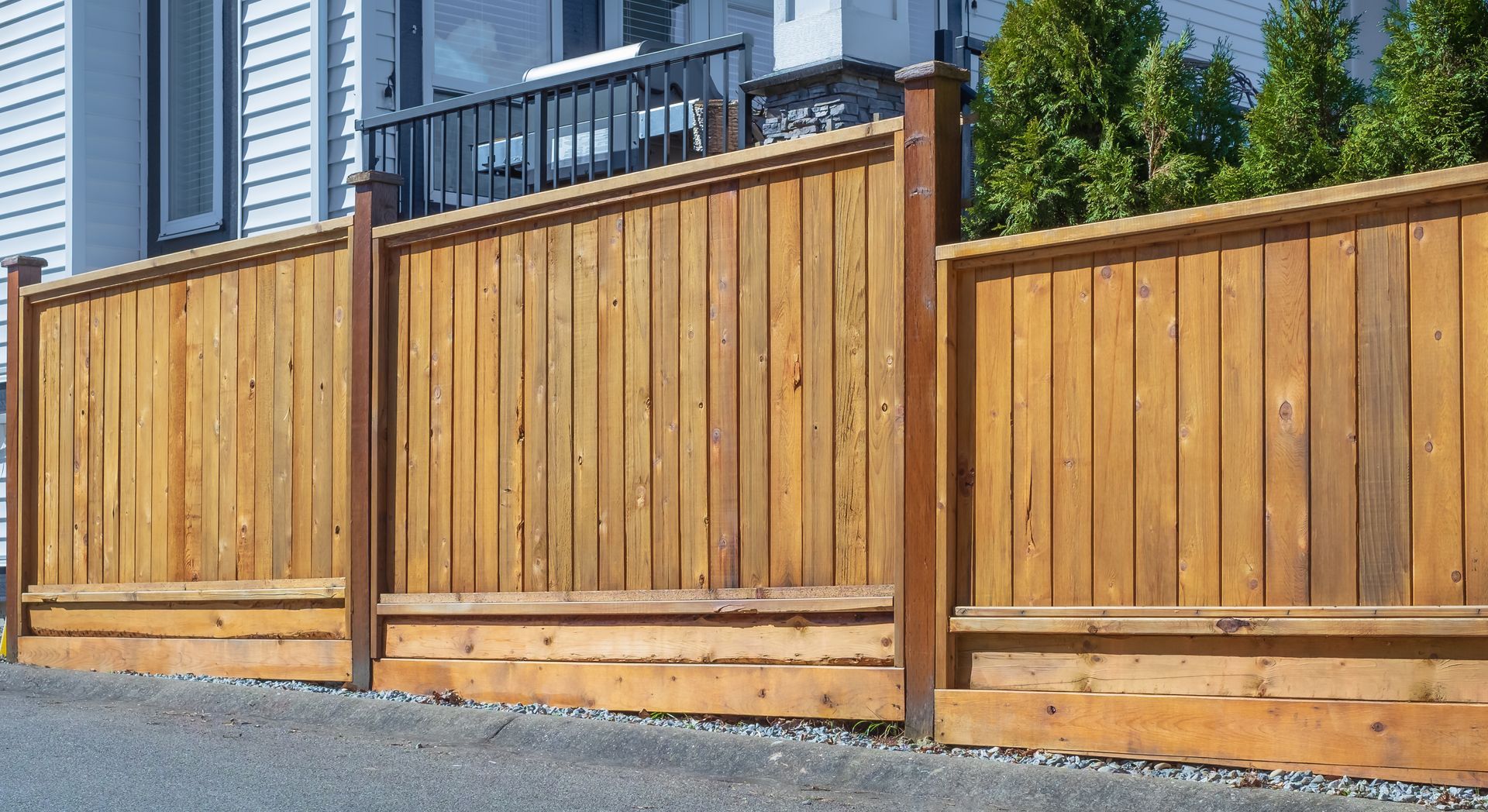
Wood fences need extra care during winter. Moisture can seep in, freeze, and cause the wood to expand or crack.
Applying a good weather resistant sealant:
- Repels water
- Reduces cracking and splitting
- Helps prevent mildew and mold
- Extends the life of the fence
If the stain or sealant already looks faded, winter is the right time for a fresh coat.
Keep Vinyl Fences Clear of Heavy Snow and Ice
Vinyl holds up well in winter, but extreme cold can make it more brittle. Heavy snow or ice buildup may cause cracking.
To protect vinyl fencing:
- Gently brush off snow with a broom
- Do not kick or hit ice chunks
- Avoid leaning heavy objects against it
Clearing snow regularly prevents strain on the panels.
Protect Metal and Chain Link Fences From Rust
Metal fences can rust quickly when moisture and salt are present in winter.
Prevent rust by:
- Checking for chips or scratches in the finish
- Applying a rust resistant coating or spray
- Cleaning off salt buildup regularly
Keeping the metal free from salt and moisture is the key to long term durability.
Make Sure Posts Are Secure
Loose or weak posts can shift when the ground freezes and thaws, causing the entire fence to lean.
Check that:
- Posts are firmly set in the ground
- Concrete bases are not cracked
- Soil is packed tightly around the post
- No water collects at the post base
A solid foundation reduces winter movement and structural damage.
Schedule a Professional Fence Inspection
If you are unsure about the condition of your fence or notice any damage, a professional inspection can help. Fence experts can identify weak spots, repair issues, and recommend winter protection steps that fit your fence type.
This ensures your fence is safe, stable, and ready to handle cold weather.
Final Thoughts
Preparing your fence for winter helps protect your investment and prevents costly repairs. By checking for damage, preventing moisture buildup, clearing snow, and applying protective treatments, you can keep your fence in excellent condition all season long.
If you need repairs, maintenance, or expert winter prep, Safeguard Fence is here to help. Contact us today to make sure your fence is fully winter ready.